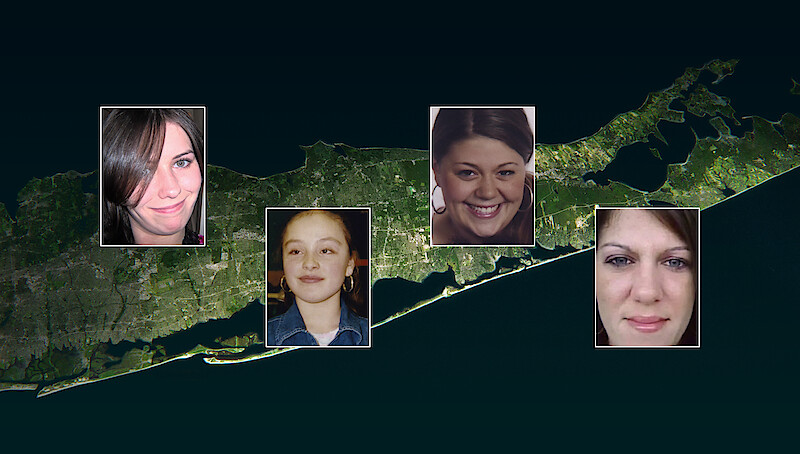
Update: On April 8, 2026, Rex Heuermann pleaded guilty to the murders of eight women: Megan Waterman, Melissa Barthelemy, Amber Lynn Costello, Maureen Brainard-Barnes, Valerie Mack, Jessica Taylor, Sandra Costilla, and Karen Vergata. Learn more about the women and their stories here. A few months later, on June 17, he was sentenced to multiple terms of life in prison without the possibility of parole.
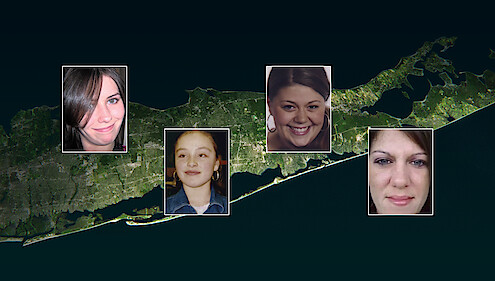
The gripping conclusion of Gone Girls: The Long Island Serial Killer reveals a significant breakthrough in a mystery that has haunted New York for over a decade. The docuseries delivers a detailed account of how law enforcement finally zeroed in on Rex Heuermann, a local architect, and eventually charged him with the murders of Melissa Barthelemy, Megan Waterman, Amber Lynn Costello, and Maureen Brainard-Barnes. Heuermann’s arrest constitutes a long-deferred initial step in delivering justice to the families of the “Gilgo Four,” the first victims whose remains were found along a stretch of Ocean Parkway in Suffolk County in 2010.
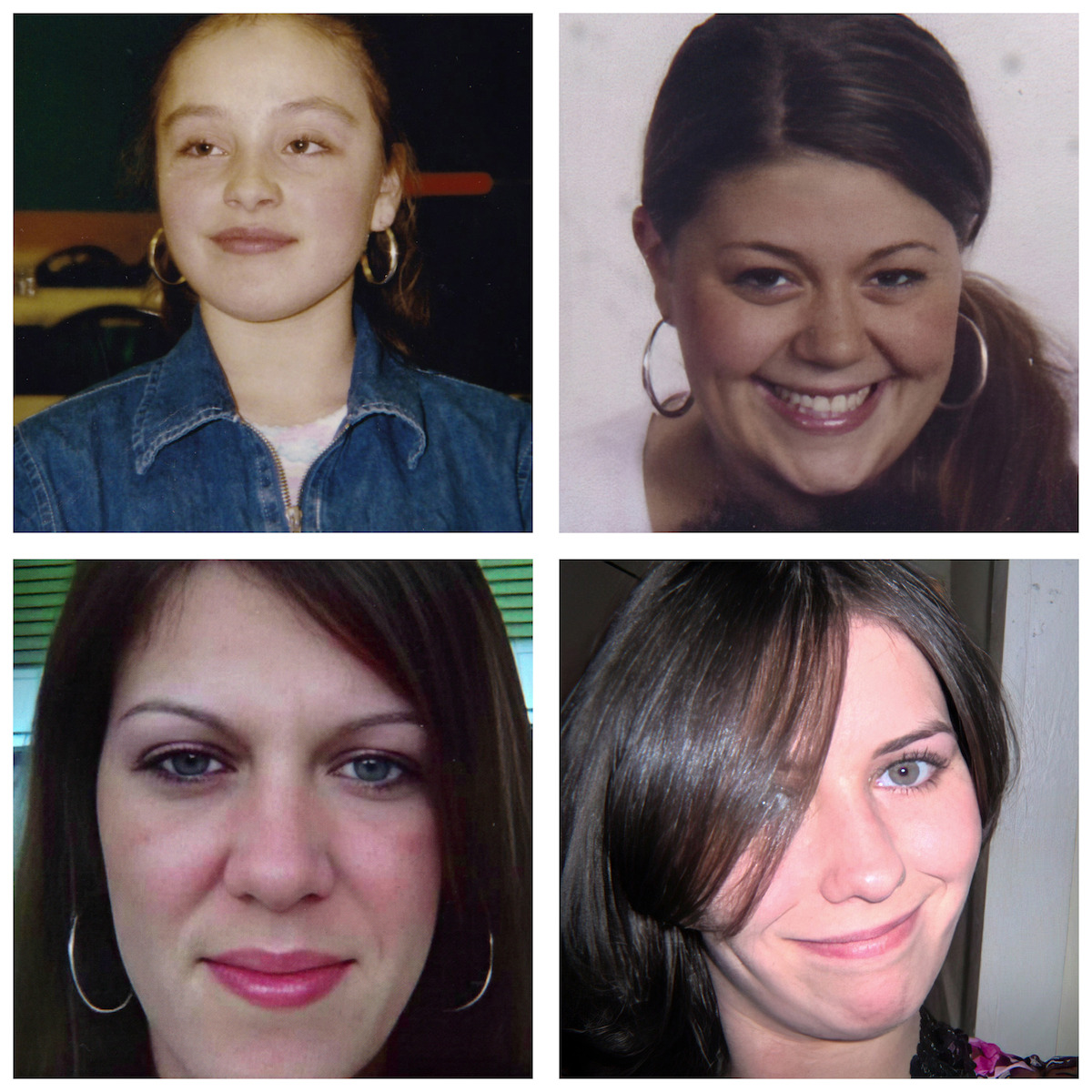
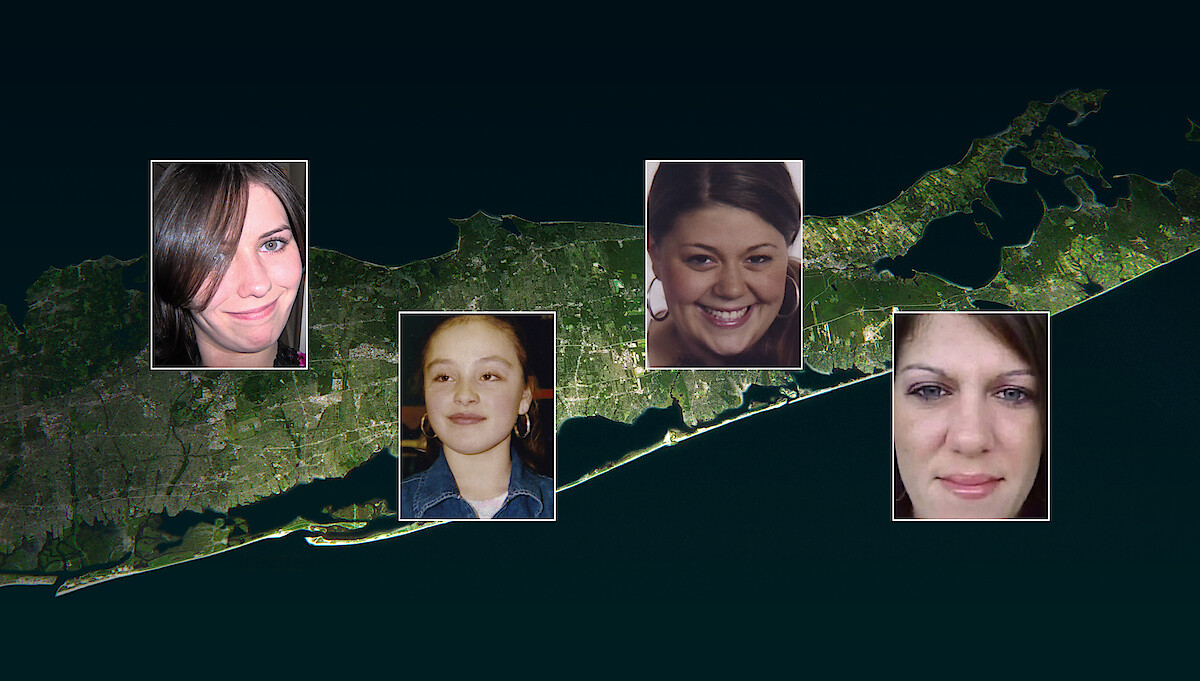
The Gilgo Four: Melissa Barthelemy, Megan Waterman, Amber Lynn Costello, and Maureen Brainard-Barnes
What was the evidence that led to Rex Heuermann’s arrest?
Meticulously piecing together stray strands of evidence, the Suffolk County Police Department and District Attorney’s Office, working with the FBI and New York State Police, collaborated in an extensive investigation that led to Heuermann's arrest.
Eventually, Heuermann’s Chevrolet Avalanche was a key factor for police, leading authorities to his residence in Massapequa Park and his office in Midtown Manhattan — locations corresponding to key activity zones identified through the investigations into the missing and murdered women. Another critical breakthrough came when Heuermann was observed adding minutes to a burner phone, which aligned with the movements of burner phones used during the crimes. Further, Heuermann’s DNA, recovered from a discarded pizza crust, matched hair found on the victims, solidifying suspicions that he was connected to the murders.
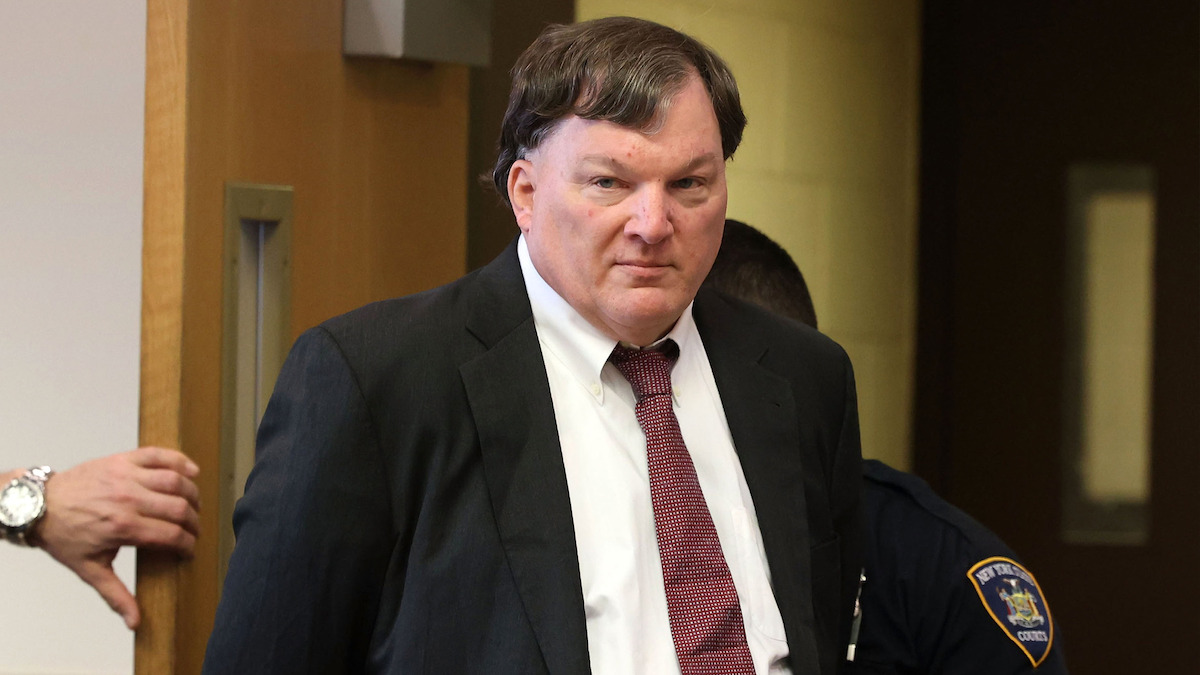
JAMES CARBONE/GETTY IMAGES
What’s happened since Rex Heuermann’s arrest?
While Heuermann’s arrest marked a crucial milestone in the investigation, it was not the end of the story. The identification of an accused serial killer raised new questions and opened potential new lines of inquiry, culminating in the charging of Heuermann for three additional murders. Authorities were then scrutinizing unsolved cases spanning back years, examining whether they may be connected. With new victims possibly still to be linked to the alleged serial killer, and a public hungry for justice, later developments underscored that, although significant progress had been achieved, the investigation was very much ongoing.
Gone Girls director Liz Garbus reflects on the inherent dilemma of delivering a series on a live case: “After we completed and turned in our cuts to Netflix, there was another victim added to [Heuermann’s] docket. Will there be more between now and the time that we air? It’s possible. Will there be more between now and the time that we go to trial, if they go to trial? It’s probable.”
And there was, in fact, a new development on April 23, 2025. Nassau County Police Department announced the identities of a woman and her 2-year-old child — Tanya Denise Jackson and Tatiana Marie Dykes — whose bodies were found near Gilgo beach in 2011. Jackson was formerly known to police as Jane Doe No. 3 or “Peaches” due to her tattoo of the fruit.
And then finally, on April 8, 2026, Rex Heurmann pleaded guilty to the murders of seven women, plus an eighth that he had not yet been charged with. The women include: Megan Waterman, Melissa Barthelemy, Amber Lynn Costello, Maureen Brainard-Barnes, Valerie Mack, Jessica Taylor, Sandra Costilla, and Karen Vergata. Learn more about them here. On June 17, 2026, he was sentenced to multiple terms of life in prison without the possibility of parole, under the conditions of the plea deal he had agreed to in April.
Why did the search for the Long Island Serial Killer take so long?
A key factor in the drawn-out nature of the investigation, Garbus argues, were the allegations of corruption that dogged Suffolk County authorities initially in charge of the investigation, and may have hindered progress in the case for years. “I think Suffolk County under police chief Jimmy Burke and DA Tom Spota was run like a crime syndicate…. This is a cautionary tale about how to stop that kind of thing before these kinds of people get in positions of power,” Garbus says.
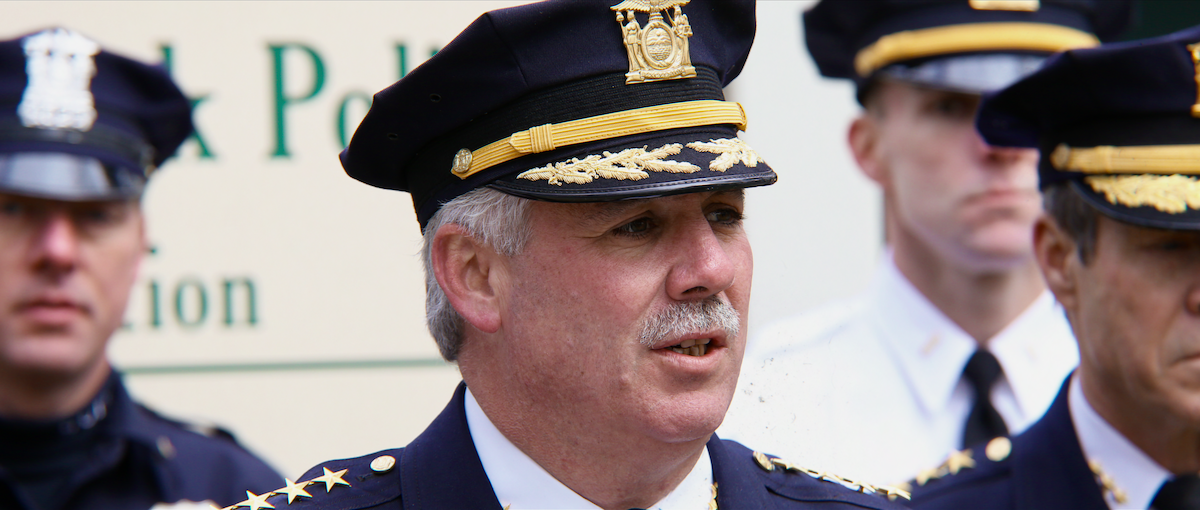
Former Suffolk County police chief James Burke
Gone Girls explores how Burke and Spota compromised the integrity of the Gilgo Beach murder investigation. Burke, with numerous internal affairs complaints against him, curtailed collaboration with other law enforcement agencies, obstructing the FBI’s involvement and halting crucial investigative steps. Meanwhile, Spota, who was later convicted of obstruction of justice, shielded Burke, further entangling law enforcement in a web of corruption that prioritized self-preservation over justice.
As the case continues to unfold, Gone Girls serves as a powerful reminder of the resilience and determination of the victims’ families. “I think audiences should believe in the power of their voices when they see injustice,” Garbus says. “These family members were never going to give up. They knew there was a need to shake the establishment to get attention for this case.”
For those following the case, the docuseries offers a comprehensive look at the investigation’s progress and the challenges that remain. Hear more from Garbus on the You Can’t Make This Up podcast.
Additional reporting by Natalie Morin.