Explainer
American Manhunt: O.J. Simpson Director on the Aftermath of the Trial
“This is about grief, not entertainment,” says Floyd Russ.
By Tudum Staff
Jan. 29, 2025
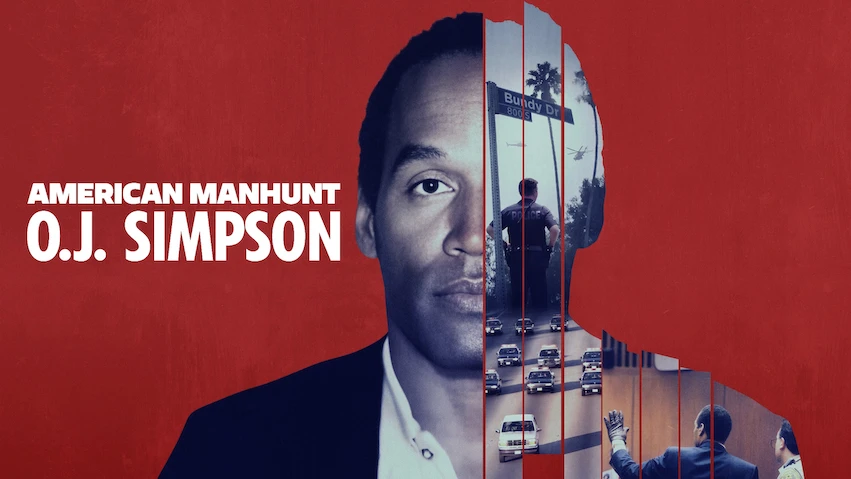
In the American Manhunt: O.J. Simpson docuseries, a number of people involved in and affected by the infamous murder trial gave new interviews to director Floyd Russ (American Manhunt: The Boston Marathon Bombing, Untold: Malice at the Palace).
Russ explains that these fresh and frank discussions were crucial in looking at the case anew. “The key was to make sure that both sides were balanced,” he says, “to make clear that this isn’t just a true crime cop documentary. It’s much deeper. So, you need people to contextualize the history, the trial.”
One of these interviews is with Kim Goldman, sister of victim Ronald Goldman. While she states up front in the four-part series that she does not wish to keep speaking about one of the most traumatic times in her life, she chooses to do so for a reason: “We have commercialized and sensationalized grief and loss and trauma … I can’t stop that from happening, but if I can do anything I can to try to teach you how to consume it in a way that is still loving and supportive, then that’s why I still do this.”
That sentiment was one aspect that Russ thought was important to note in his reexamination of the case, the trial, and its aftermath. “That was one of the most intense interviews that I’ve ever been a part of,” he says of his conversation with Goldman. He further underscores how it illuminates the long-lasting ripple effects of a murder and the attendant spectacle around this particular trial. “I have interviewed many people who have been through tragedy, but her grief is so different because she had to live — and continues to live — through an event that is publicized probably more than any event in true crime history. The loss of her brother, the person she loves more than anything, has been publicized, and spun, and turned in so many different ways, not just at the time, not just for the two years of the investigation and trial, but in a way even 30 years later. And I am pointing the finger at myself as well.
“So for her to be a part of this documentary and for her to say, in a way, she’s here so that she can help contextualize the grief for all of those people who watch true crime is so important,” Russ continues. “She gives us the reminder that if we’re going to consume this kind of true crime story, that this is about grief, not entertainment.”
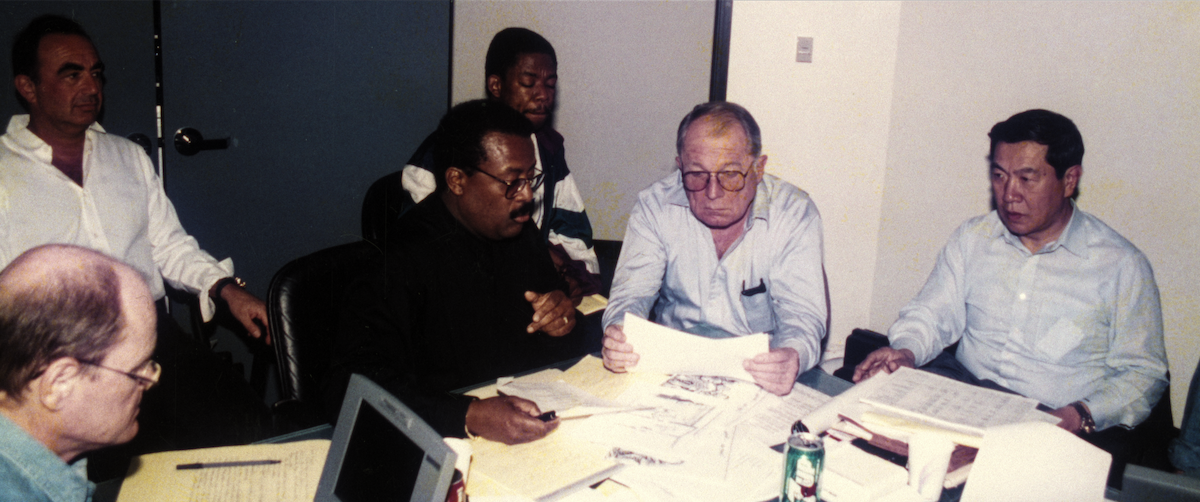
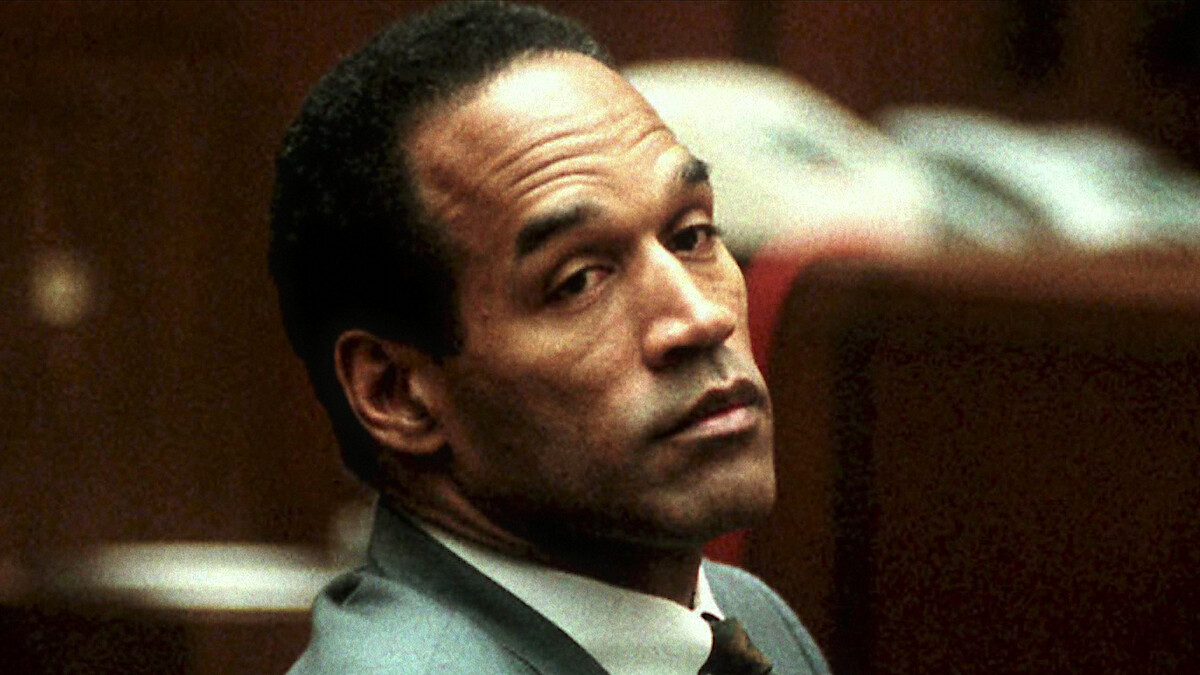
In October 1995, Simpson was acquitted of both murders after a mere four hours of deliberation by the jury. However, in February 1997, Simpson was found liable for the deaths of Nicole Brown Simpson and Ronald Goldman in a civil trial.
In October 2008, Simpson was convicted of robbing a sports memorabilia dealer in Las Vegas. He was sentenced to 33 years in prison and was granted parole in 2017.
Simpson died of cancer in April 2024 at the age of 76.